
Installing a floating dock in Australia is not as simple as bolting sections together and dropping them in. Tidal movement, seabed conditions, load spread, and material choice all feed into whether the dock lasts or causes grief from day one.
Get those wrong, and the repair bills start early. This later results in:
- Poor anchoring reduces stability during strong water movement.
- Incorrect load planning causes uneven flotation and connector stress.
- UV exposure and saltwater wear down low-grade materials faster than expected.
Modular Docking has worked across Australian marine environments long enough to know what goes wrong and why. Residential owners, marine operators, and commercial contractors all come to us when they need a setup built to last. This blog walks through the full process from reading the site to keeping the dock running properly.
Installation of a floating dock in Australia covers site checks, buoyancy planning, anchoring, dock assembly, and ongoing upkeep. Floating dock systems need to handle UV exposure, tidal movement, saltwater, and shifting water levels to stay safe and durable across Australian marine environments.
Why Is Site Assessment Important Before Dock Installation?
The first step is to understand the water conditions and the intended use of the dock. A residential jet ski platform will need a very different setup as opposed to a commercial floating dock in Australia for marine access or infrastructure work.
Key site checks include the following:
- Water depth at low and high tide.
- Wave exposure and boat wake levels.
- Wind direction and shoreline access conditions.
Sandy ground often takes screw anchors without trouble. Mud or rock needs a different approach from the start.
Upgrade Your Waterfront With Flexible Floating Infrastructure
How Do You Choose the Right Floating Dock Layout?
The wrong layout creates daily frustration. Boats cannot manoeuvre. Access is awkward. The dock ends up being worked around rather than used properly.
Straight layouts suit smaller or more enclosed waterfront areas. T and U configurations open up turning room for larger vessels. A modular boat dock in Australia lets owners change the layout later as needs shift. That is something fixed pontoons cannot do once they are in place. People looking for a floating boat dock for sale tend to favour modular options for exactly that reason.
What Happens During Dock Assembly?
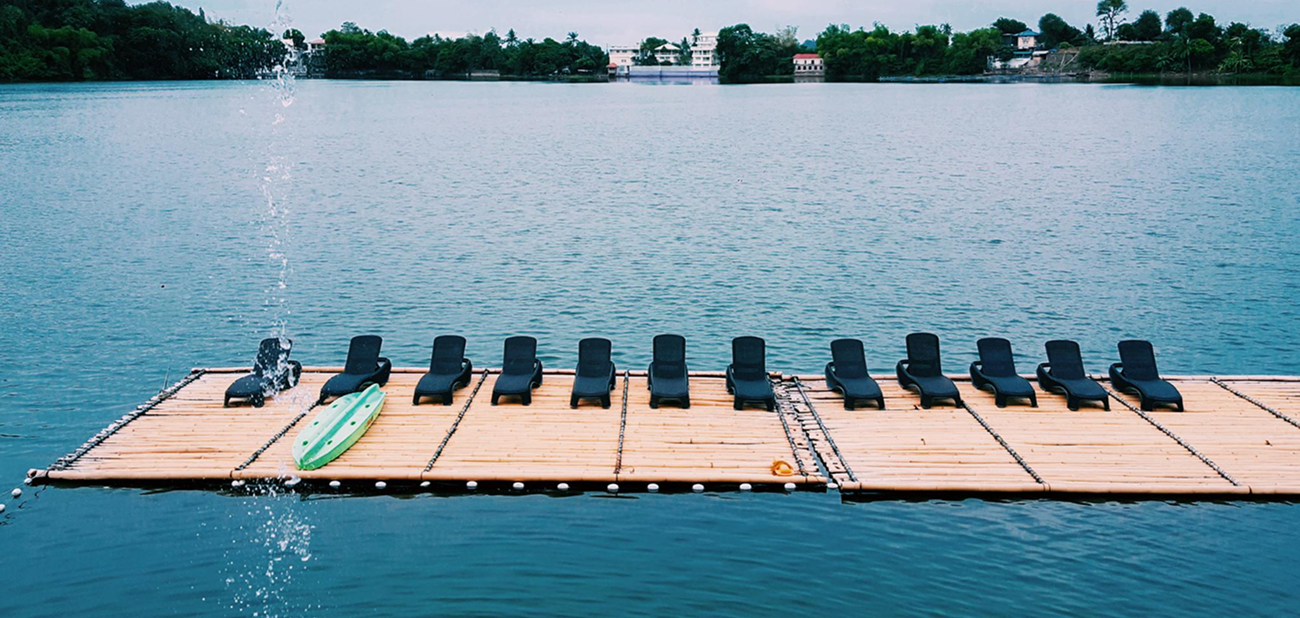
Most modular systems employ interlocking sections that are joined together by marine-grade brackets or pin systems. The installation begins by positioning the first section correctly, as the alignment dictates the stability of the entire platform.
Then the installers:
- Progressively connect flotation sections.
- Tighten all lock systems evenly.
- Add accessories such as cleats, ladders, and handrails.
The proper distribution of buoyancy is important in the assembly. Heavy equipment in one area can cause balance problems and stress on connectors.
Which Anchoring System Works Best for Floating Docks?
Anchoring controls how the dock reacts to tides, currents, and wave pressure. Many sites on the Australian waterfront use pile anchoring since it allows for controlled vertical movement while keeping the dock in a stable position.
Deep or temporary installations may also require external anchoring systems such as chains, concrete blocks or elastic mooring setups.
A proper anchoring system depends on the following:
- Depth of water.
- Tidal fluctuations.
- Size of dock.
- Exposure to the environment.
This is why professional planning is important in larger dock systems in Australia used in marinas, events or commercial access projects.
How Do You Maintain a Floating Dock After Installation?
Docks that get checked regularly stay in better shape and cost less over time. Inspect connectors, flotation sections and anchor points for wear or movement.
The sun is harder on dock materials than most owners plan for. Low-grade marine plastics break down under UV well before saltwater causes visible damage.
Owners who go with complete boat dock packages in Australia report easier upkeep. Matched components wear at similar rates, and the whole system holds together longer as a result.
Install a Floating Dock Built for Australian Conditions
Conclusion
A dock that lasts comes down to the decisions made before and during the install, not just the materials used. Modular systems built and anchored correctly give residential and commercial waterfront owners something reliable for the long run.
Modular Docking has worked through enough floating dock in Australia installs to know where the problems tend to hide. Our team works with clients to find the right setup for the site, the use, and the budget. Get in touch with us to discuss the right dock setup for your waterfront project.
FAQs
Can modular floating docks handle changing Australian tides?
That is what they are designed around. The dock rises and falls with the water rather than fighting it. Anchoring keeps it from moving sideways while tidal movement takes care of itself. Residential jetties, marina berths, and commercial sites around Australia run these systems through tidal cycles daily without needing adjustment.
Are modular floating docks suitable for commercial marine projects?
They get used to commercial work all the time. Access platforms, maintenance rigs, floating walkways, and short-term marine setups all rely on modular systems. Councils, contractors, and operators choose them because the structure can grow or shift without a takedown. When a project scope changes mid-build, that matters more than most people anticipate going in.
How long does a modular floating dock installation take?
Smaller residential jobs move faster than larger commercial ones. The anchoring, staging sequence, and safety sign-off all take time and run in a fixed order on bigger platforms. Ground conditions and access at the site tend to set the actual pace more than the dock size does. Each job finds its own rhythm based on what the site presents.
What materials are commonly used in modular floating docks?
Most modular floating docks are built using UV-stabilised polyethylene, marine-grade aluminium and corrosion-resistant fittings. These materials are chosen because they withstand Australian saltwater exposure, sunlight and varying weather conditions far better than many traditional timber structures.