
Choosing the wrong marine platform costs more than most waterfront owners expect. Safety issues, vessel damage, high maintenance bills and limited flexibility follow when the right decision is not in accordance with the actual use of the structure.
Many owners of properties face a variety of problems arising from the wrong choice, such as:
- Maintaining traditional structure becomes more expensive over time.
- Limited flexibility for expansion or change of docking areas.
- Continued damage to vessels left in the water.
Modular Docking is an Australian-owned team with extensive experience across docking platforms, floating access systems, marine infrastructure projects and dock systems in Australia. We understand how different docking setups perform across Australian waterways and what each one is actually suited for. This blog covers the key differences between modular docks and floating pontoons so you can make the right call for your waterfront.
The choice between a modular dock or a floating pontoon will depend on the intended use, maintenance and future expansion of the structure. The flexibility, ease of installation, lower maintenance and adaptability offered by modular systems makes them a popular choice for marine infrastructure projects. Many Australian waterfront owners are now opting solutions from Modular Docking to maximize long term versatility and practical waterfront performance.
What Is the Difference Between a Modular Dock and a Floating Pontoon?
Traditional pontoons are constructed with fixed timber, aluminium or concrete structures with flotation systems underneath. They are built as permanent waterfront installations. A modular system works in a different way.
A modern floating pontoon in Australia is designed using modular cube systems, and so it can be reconfigured, expanded or relocated as needs change. That flexibility makes modular systems well-suited to residential boat access, temporary marine projects, commercial waterfront operations and event infrastructure.
Compare Docking Solutions Built For Long Term Waterfront Performance
Which Option Is Easier to Install?
Installation complexity is quite often what tips the decision for most property owners.
Traditional pontoons may require the following:
- Piling work and seabed preparation.
- Heavy lifting equipment on site.
- Engineering approvals before work starts.
- Extended construction timelines.
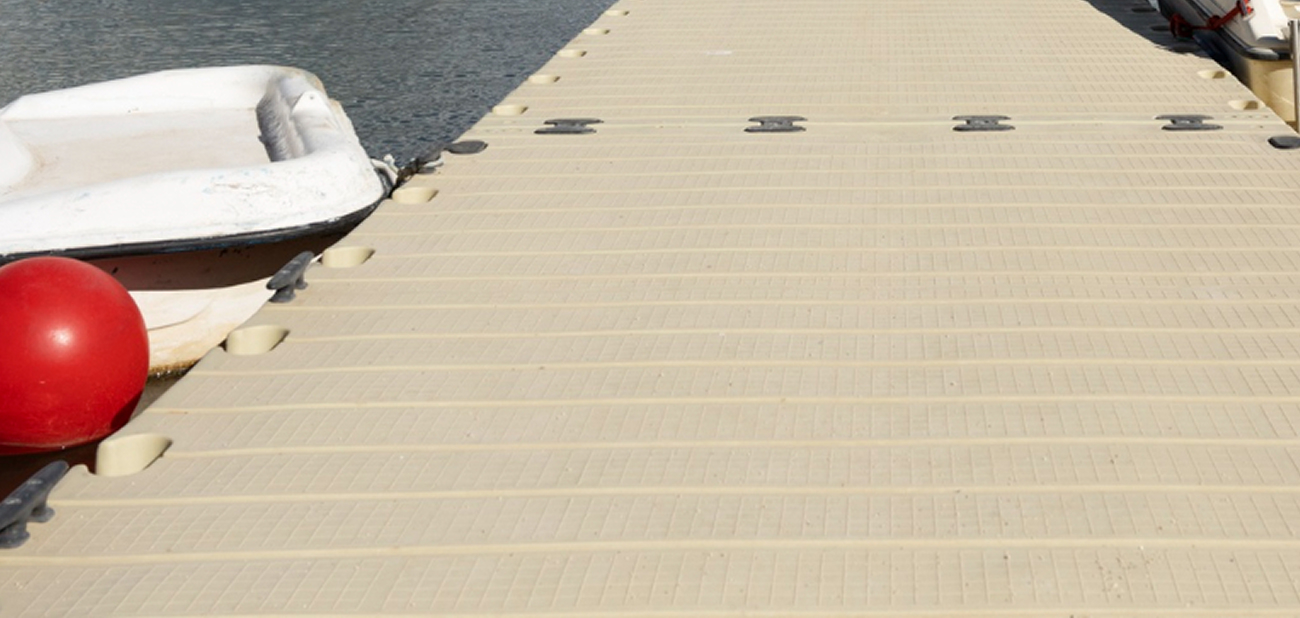
A modular system can usually be assembled considerably faster. Interconnected floating cubes build the platform structure directly on the water without most of the groundwork that traditional pontoons need. A modern floating dock in Australia is quite often the preferred option where fast installation and future expansion flexibility matter.
Which Docking System Requires Less Maintenance?
The materials and the degree of environmental exposure of a structure are great determinants of maintenance requirements.
Eventually, the following may be required of standard timber pontoons:
- Replacing timber as the boards decay.
- Corrosion control of metal parts
- Structural repairs after storm or impact damage.
- Constantly painting over to preserve surfaces.
Modular systems built from UV-stabilised polyethylene are designed for lower maintenance in Australian marine conditions. For many vessel owners, a modular system also reduces direct hull exposure to marine growth and saltwater buildup compared to leaving boats permanently in the water.
Which System Is Better for Boats and PWCs?
The answer depends on the type of vessel and how often the dock is actually used.
A traditional boat dock in Australia may be appropriate for larger marina-style developments or where the waterfront fixture is permanent and not anticipated to change.
Modular drive systems are becoming more popular for a different type of use. They are very useful for the following:
- Personal Watercraft and Jet Skis.
- Weekends used trailer boats.
- Recreational watercraft of all sizes.
- Short-term seasonal dock access.
A modular boat dock in Australia also makes it easier to retrieve vessels and may lead to better long-term hull protection by keeping watercraft out of the water.
Are Modular Systems Suitable for Commercial Applications?
The range of commercial applications is broader than most people initially expect.Modular platforms are now used across bridge maintenance projects, under wharf access, floating walkways, temporary event platforms, and marine construction access.
Commercial operators prefer modular systems because they can be transported, reconfigured, and deployed across changing project environments without a full rebuild each time.
Build A Flexible Waterfront Setup That Adapts Over Time
Conclusion
Choosing between a modular dock and a traditional pontoon comes down to installation requirements, maintenance expectations, vessel type, and how much flexibility the waterfront actually needs over time. Both systems have their place, but modular systems keep gaining ground because of how well they adapt to changing requirements without the ongoing cost that traditional structures bring.
Modular Docking provides flexible floating platform solutions tailored to recreational, commercial, and industrial marine environments across Australia. Our team can help you identify practical systems for your waterfront regardless of whether you’re considering a custom modular pontoon in Australia or future marine infrastructure upgrades. Get in touch with us today to talk through your project goals.
FAQs
Are modular docks strong enough for commercial marine use?
Yes. Many modular systems are designed for commercial and industrial applications, including marine maintenance access, floating work platforms and temporary event infrastructure. The load capacity, the cube configuration and the anchoring systems influence the performance of the platform under different operating conditions.
Can modular docks be expanded later?
A major advantage of modular systems is expandability. As marine access requirements change over time, later more floating cubes can often be added to increase the platform size, create walkways or change docking layouts.
Do modular docks work in Australian saltwater conditions?
Most modular systems made in Australia are manufactured from UV-stabilised polyethylene to withstand the harsh Australian sun, saltwater and weather conditions. However, you still need to anchor it properly and plan the installation properly.
Which docking option is better for smaller waterfront properties?
Australians prefer modular systems for smaller waterfront spaces since they can be easily adapted to changing layouts and vessel requirements. This flexible configuration allows owners to optimise usable docking space without the need for large permanent marine structures.